
ALLPOINTS ACCOUNTING PTY LTDSmall Business & Taxation Specialist
Phone
(03) 9752 5254
alltax@allpointsaccounting.com.au
Address
Unit 2/ 176 Boronia Rd,
Boronia, Victoria 3155
Carbon accounting for small businesses
Carbon accounting is the process of measuring and understanding the greenhouse gas emissions created by the way a business operates. As larger organisations face mandatory climate‑related reporting — including emissions across their supply chains (known as Scope 3) — small businesses are increasingly being asked to explain their own environmental impact.
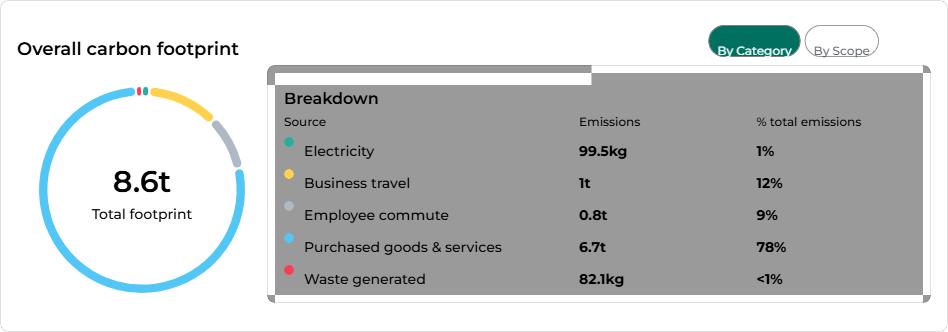
Carbon accounting, sometimes called greenhouse gas accounting, offers a practical and straightforward way to measure an organisation’s carbon footprint.
Why it matters for small businesses
While carbon reporting isn’t mandatory for small businesses, larger organisations must report their emissions, including Scope 3 emissions generated by suppliers, services, travel, and other activities outside their direct control. For many large companies, Scope 3 represents the majority of their total emissions.
This means small businesses that form part of a supply chain are now being asked to provide credible emissions information. Those that can do so may gain a competitive edge when working with major clients, applying for tenders, seeking funding, or engaging with government bodies.
It’s not about compliance for compliance’s sake — it’s about being ready, credible, and competitive.
Understanding your emissions today helps protect opportunities tomorrow.
How Allpoints Carbon Accounting can assist
Allpoints Carbon Accounting supports small businesses to measure their carbon footprint in a practical and proportionate way. Using the Trace carbon accounting platform, we translate everyday business data — such as electricity use, fuel, travel, and expenses — into clear carbon measurements based on recognised emissions factors.
The outcome is a reliable emissions baseline that can be confidently shared with customers, suppliers, or government stakeholders, without unnecessary complexity or cost.
Our focus is on clarity, credibility, and helping your business stay prepared for evolving expectations.
e: carbon@allpointsaccounting.com.au
Sustainability
“meeting the needs of the present world
without compromising the ability of future generations
to meet their own needs” (Brundtland Report, 1987).